

Learning how to buy furniture that lasts is one of those purchases where you really do get what you pay for, but only if you know what to look for. Walk into any furniture store, and you’ll see pieces that look nearly identical, yet one costs $800 while another costs $3,200. The difference isn’t always obvious from the showroom floor, but it shows up five years down the road when one sofa still feels like new and the other is sagging in the middle.
The good news? You don’t need to be a furniture expert to understand how to buy furniture wisely. You just need to know what to check and which questions to ask. This furniture buying guide walks you through exactly that, whether you’re shopping for your first sofa or replacing bedroom furniture that’s seen better days.
Frame Construction: The Foundation of Everything
The frame is the skeleton of your furniture. Get this wrong, and nothing else matters. A sofa with gorgeous fabric and plush cushions will still collapse if the frame can’t hold up—which is why understanding how to buy furniture with quality frames is crucial.
What Makes a Quality Frame
Kiln-dried hardwood is the gold standard when learning how to purchase furniture that lasts. Woods like oak, maple, and ash are strong enough to handle years of use without warping or cracking. The kiln-drying process removes moisture from the wood, which prevents it from twisting over time. According to furniture construction experts, kiln-dried hardwood frames can last 20+ years with proper care.
At Salt Creek, brands like Flexsteel and Vaughan-Bassett build their frames from solid hardwood. Vaughan-Bassett even manufactures everything in Virginia using domestic hardwoods.
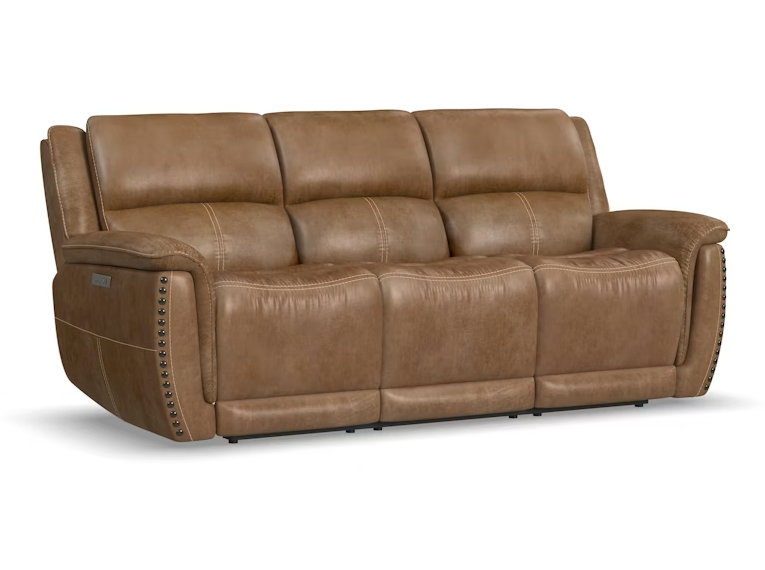
Not all engineered wood is created equal. Some furniture uses high-grade plywood (7+ layers) in non-stress areas, which is perfectly acceptable. What you want to avoid is particleboard or MDF in any weight-bearing area. These materials break down quickly under pressure.
How to Test a Frame in the Store
Don’t be shy about getting physical with furniture before you buy it. Here’s what to do when buying furniture:
The Lift Test: Lift one front corner of a sofa or chair about six inches off the ground. If the opposite rear corner also lifts, the frame is well-built. If the frame twists or the other corner stays on the ground, the joinery is weak.
Check the Corners: Get down and look underneath. Quality frames have corner blocks (wooden braces screwed and glued into place). These reinforcements prevent the frame from racking over time. If you see staples as the primary fastener, walk away.
Feel for Flex: Sit in different spots and rock back and forth. A solid frame shouldn’t creak, shift, or feel unstable. Any movement you feel now will only get worse.
Understanding Joinery
The way frame pieces connect matters as much as the wood itself when you’re learning how to buy furniture that endures. Mortise and tenon joinery (where one piece of wood slots precisely into another) is the strongest method. It’s expensive and time-consuming, which is why you’ll find it on higher-end furniture.
Dowel joints are the next best thing. Two or three dowels at each connection point, combined with wood glue, create a strong bond that holds up well over time.
What you don’t want to see are frames held together primarily with staples or thin metal brackets. These will work loose eventually.
Spring Systems: What’s Holding You Up
Springs determine how furniture feels when you sit and how well it maintains that feeling. This is where you’ll notice huge quality differences in your furniture buying experience, even if two pieces look identical.
8-Way Hand-Tied Springs
This is the traditional luxury option. Individual coil springs are tied together in eight directions with heavy twine, creating a web of support. The result is even weight distribution and a seat that never bottoms out, no matter who sits on it.
The downside? Cost. Hand-tying springs is labor-intensive, which is reflected in the price. You’ll find this construction in high-end custom furniture, but it’s rare in mainstream retail.
Sinuous Springs
Also called “no-sag” or “S-springs,” these are the S-shaped wire springs that run from front to back. Quality sinuous springs use thicker gauge steel and are set closer together for better support.
Cheaper versions use thin wire with fewer springs, which leads to sagging. The quality and spacing matter more than the system itself when you’re selecting furniture.
Flexsteel’s Blue Steel Spring
Flexsteel furniture uses a proprietary system that falls between traditional coils and sinuous springs. Their Blue Steel Spring is a tempered steel ribbon that provides the comfort of coil springs at the cost of sinuous springs.
The company has been making these springs since 1893, and they come with a lifetime guarantee. Independent reviews consistently mention the spring system as a standout feature, particularly for sofas that get daily use.
Testing Spring Quality
Sit on the furniture and press your hand down hard on the seat cushion. You should feel firm, even resistance. If you feel individual springs poking through, or if the seat feels mushy, the spring system is inadequate.
Stand up and watch how quickly the cushion recovers. Quality springs bounce back immediately. Cheap springs stay compressed for several seconds.
Cushion Quality: Comfort That Lasts
Cushions are what you actually interact with every day when choosing furniture, so this matters. Two types of fill dominate the market: foam and down (or down-alternative).
Understanding Foam Density
Foam density is measured in pounds per cubic foot. For furniture cushions, you want a density of at least 1.8. Higher-quality pieces use 2.0 or above. This number tells you how much actual foam material is packed into each cushion.
Higher-density foam costs more but lasts significantly longer. It recovers its shape better and provides more support. Low-density foam (under 1.5) breaks down quickly and creates that permanently-sat-in dip you see in old couches.
High-resiliency (HR) foam is a specific type worth looking for. It’s engineered to maintain its structure and bounce back after compression. This is what you want for seat cushions that get daily use.
The Down Question
Down and down-blend cushions feel luxurious, but they require maintenance. You’ll need to fluff and reshape them regularly to maintain their appearance. They’re perfect for people who like a sink-in feel and don’t mind the upkeep.
For low-maintenance comfort when buying furniture, stick with high-density foam, possibly with a down-wrap for softness.
What to Feel For
Press firmly into seat cushions and watch how they respond. Quality foam springs back within 1-2 seconds. If your handprint stays visible, the foam is too soft or low-density.
Sit for a few minutes in your normal posture. Do you feel supported, or do you feel like you’re sinking? The right firmness depends on personal preference, but you should never feel like you’re sitting on a hard plank or disappearing into quicksand.
Upholstery: Making It Last
The fabric or leather you choose determines how your furniture ages and how much maintenance it requires—a critical consideration in how to buy furniture that stays beautiful.
Fabric Grades Explained
Furniture stores use grade systems (Grade A, Grade B, etc.) to categorize fabrics by price. These grades reflect cost, not durability. A Grade C fabric isn’t necessarily more durable than Grade A; it’s just more expensive (usually because of pattern complexity or fiber type).
What you actually want to look for is the rub test rating. This measures how many times fabric can be rubbed before showing wear:
- 15,000 rubs: Light residential use
- 30,000 rubs: Heavy residential use
- 50,000+ rubs: Commercial-grade
For everyday furniture, aim for at least 30,000 rubs. If you have kids or pets, go higher.
Performance fabrics have been treated to resist stains and moisture. Brands like Crypton and Sunbrella aren’t just marketing; they genuinely make maintenance easier. These fabrics repel spills instead of absorbing them, which gives you time to clean up before stains set.
Leather Realities
Top-grain leather is the real deal. It’s the outer layer of the hide, which means it’s the most durable part. It develops a patina over time and can last decades with basic care.
Bonded leather is not leather in any meaningful sense. It’s leather scraps ground up and glued to a fabric backing. It looks like leather for about two years, then it starts peeling. If you see “bonded leather” in a product description, budget accordingly because you’ll be replacing it sooner than you think.
Full-grain leather (one step above top-grain) keeps the hide’s natural imperfections, which some people love for the character it adds. It’s the most expensive option and requires the least processing.
Questions to Ask Before You Buy
Good furniture stores will answer these questions honestly when you’re learning how to buy furniture wisely. If you get vague responses or pushback, that tells you something too.
About the Warranty
“What exactly does the warranty cover and for how long?” Frame warranties should be at least 10 years, preferably lifetime. Spring systems should have long warranties too, especially if the manufacturer brags about them.
Ask specifically what’s NOT covered. Some warranties exclude fabric, cushions, or any damage from “misuse” (which can be defined loosely). Understanding exclusions matters as much as understanding coverage.
Get warranty details in writing. If a salesperson promises something about warranty coverage, make sure it’s documented. Verbal promises don’t help when you need to file a claim two years later.
Transferability makes a difference if you might move or sell furniture. Some warranties transfer to new owners, which adds resale value. Others are void if the original purchaser no longer owns the piece.
Understand the claim process before you buy. Does warranty service require shipping the furniture back to a factory, or does a technician come to your home? Who pays for shipping if repairs are needed? These logistics affect whether the warranty is actually useful or just theoretical.
Lifetime warranties on springs or frames are meaningful when backed by manufacturers who’ve been in business for decades. Flexsteel’s Blue Steel Spring lifetime warranty, for example, is credible because they’ve been making springs since 1893. They’re not going anywhere. A lifetime warranty from a company that launched last year is less reassuring.
Fabric and leather warranties are typically much shorter (1-2 years) because these materials show wear from normal use. But performance fabrics sometimes carry longer warranties (3-5 years) because they’re engineered for durability. Ask about this if you’re investing in premium upholstery.
About Construction
“Is the frame kiln-dried hardwood?” If they say yes, ask which type of wood. If they say no or don’t know, that’s a red flag for anything that costs more than $1,000.
“What type of spring system is used?” Listen for specific answers, not “heavy-duty springs” or other marketing language.
“What’s the foam density in the cushions?” If they don’t know or can’t find out, they’re not equipped to help you make an informed decision about how to purchase furniture.
About Delivery and Returns
“What’s the delivery process?” White-glove service should include setup, placement, and packaging removal. If delivery just means dropping boxes at your curb, factor in the hassle of getting furniture inside and assembling it yourself.
Ask about delivery timelines and what affects them. In-stock items might deliver in a week. Custom orders could take 8-16 weeks, depending on the manufacturer. If you need furniture by a specific date (moving into a new home, hosting an event), plan accordingly and order with buffer time.
Delivery areas and fees vary. Some retailers deliver free within certain distances. Others charge based on mileage or zip code. Know the cost upfront, especially if you live outside the retailer’s main service area.
Ask what happens if furniture doesn’t fit through your door. Will they try different angles? Do they disassemble pieces if needed? Or will they just take it back to the warehouse and leave you to figure out an alternative? These logistics matter more than you’d think when buying furniture.
“What’s the return policy if it doesn’t work in my space?” Restocking fees and return windows vary widely. Some stores charge 20-30% restocking fees. Others absorb this cost. Return windows might be 7 days, 30 days, or even longer.
Know this before you buy, not after, because returning furniture is expensive and complicated. If you’re unsure whether a piece will work, a generous return policy provides insurance against mistakes.
Ask about damage claims. What happens if furniture arrives damaged? Who handles the replacement process? How long does it take? Reliable stores make this easy. Problem stores make you fight for a resolution.
Understand assembly requirements. Some furniture arrives fully assembled. Some require basic setup (attaching legs, connecting sectional pieces). Some require significant assembly with tools. If you’re not handy or don’t have time for assembly, find out before delivery day surprises you.
About Customization and Lead Times
“Can I see this in other fabrics?” Many brands offer customization, but you need to see and feel those options in person. Fabric swatches don’t tell the whole story. They don’t show how the fabric drapes on the furniture, how it catches light in a room, or how the texture feels at scale.
Ask if customization affects price. Sometimes changing fabrics costs nothing extra (you’re just choosing from included options). Sometimes upgrading to premium fabrics or leathers adds hundreds or thousands of dollars. Understanding this pricing structure before you fall in love with an expensive fabric saves disappointment.
Understand what can and can’t be customized. Some manufacturers like Palliser let you change fabrics, features, and even frame dimensions. Others offer fixed designs where you can only choose the covering. Don’t assume customization is limitless until you ask specific questions about the changes you want.
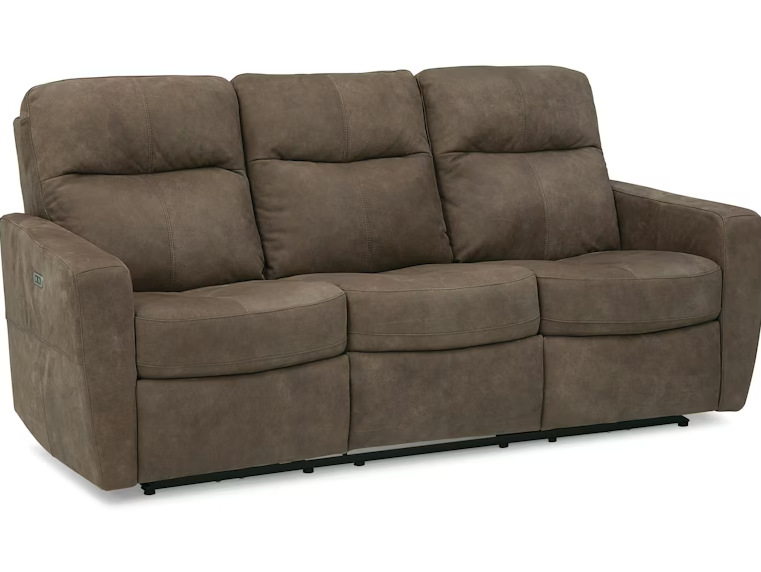
“How long until delivery?” Quick-ship items arrive in 1-2 weeks. These are pieces in the manufacturer’s warehouse ready to ship. Custom orders take longer because they’re built after you order. Lead times typically run 6-12 weeks but can stretch to 16 weeks during busy seasons or if supply chains are disrupted.
Plan accordingly, especially if you need furniture by a specific date. If you’re moving in July, don’t order custom furniture in June. Start shopping in April or May to give yourself buffer time.
Ask if rush orders are possible. Some manufacturers offer expedited production for an additional fee. Others operate on fixed production schedules where your order goes in the queue and waits its turn. Knowing your options helps if your timeline gets compressed.
Find out what happens if you cancel a custom order. Most retailers have cancellation policies that protect them from losses on custom work. You might forfeit a deposit or pay a percentage of the total price if you cancel after production has started. Understand these terms before committing to a custom order.
At Salt Creek, team members can answer all these questions because they’re trained on the actual construction of what they sell, and there’s no commission pressure pushing you toward one piece over another. The goal is to match you with furniture that actually fits your needs and timeline, not closing a sale at any cost.
Why Shopping in Person Still Matters
You can’t test furniture online when learning how to buy furniture properly. Period. Photos don’t show scale, and product descriptions don’t tell you how it feels to actually sit in a chair for 20 minutes.
Seeing furniture in a real room helps with scale. That sectional that looks perfect on a website might overwhelm your living room. Showrooms let you visualize size in three dimensions. You can walk around the piece, see how it looks from different angles, and understand how much floor space it actually consumes.
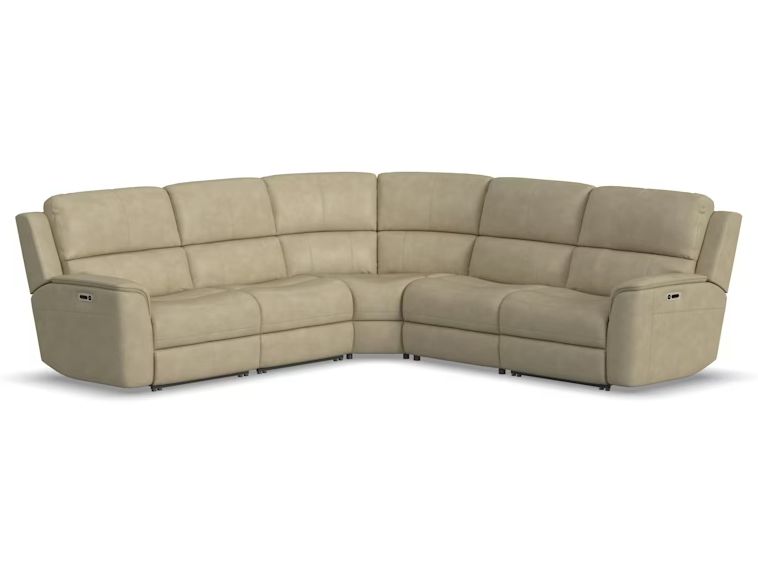
You can compare pieces side-by-side when furniture shopping. Sit in three different recliners back-to-back, and you’ll immediately know which one your back prefers. This is impossible when shopping online across multiple websites. The difference between a 2.0 density foam cushion and a 1.5 density cushion is obvious when you sit in both. Reading specs online doesn’t convey that.
Testing reclining mechanisms matters. Power recliners operate differently between manufacturers. Some have responsive motors that glide smoothly. Others feel jerky or slow. You won’t know which type you’re getting until you press the button and feel how it moves.
Fabric and leather need to be felt, not just seen. That chenille fabric might look soft in photos, but when you touch it in person, it could feel scratchy. That leather might photograph beautifully, but the real texture could be too stiff or too soft for your preference. Bring fabric swatches home if you want, but at least start by touching the actual material.
Showrooms let you test furniture in realistic scenarios. Sit the way you actually sit at home. Kick your shoes off. Recline for ten minutes while looking at a TV mounted at the height at which yours is mounted. Lie down on a bed. These real-world tests reveal comfort issues that you’d only discover at home after delivery, when returning becomes complicated.
Salt Creek’s four Valley showrooms in Scottsdale, Gilbert, Tempe, and Glendale let you see entire room setups. You can sit in the actual chair, test the reclining mechanism, and feel the difference between leather grades. Team members can answer construction questions on the spot, show you frame joinery details, and explain why one piece costs more than another that looks similar.
Red Flags to Watch For
Some warning signs should make you pause before buying furniture, no matter how good the price looks.
Prices That Seem Too Good: A real leather recliner shouldn’t cost $399. A sectional shouldn’t cost $699. If the price is dramatically below market, the quality is cut somewhere. Maybe it’s bonded leather instead of real leather, or particleboard instead of hardwood, or 1.2-density foam instead of 2.0.
Pressure Tactics: “This sale ends today,” or “I can only hold this price for 30 minutes” are manufactured urgency. Good furniture stores run sales regularly. If you feel pressured, leave.
Vague Answers: When you ask about frame construction or spring systems and get answers like “It’s very well-made” or “This is one of our best sellers,” you’re not talking to someone who can help you make an informed decision about how to buy furniture.
Everything Is “In Stock” for Immediate Delivery: Quality furniture often requires ordering, especially if you want specific fabrics or configurations. If every piece in the store can go home with you today, that store is focused on quick turnover, not quality selection.
The Salt Creek Difference
Since 1991, Salt Creek has focused on helping Arizona families buy furniture that actually lasts. The Cameron family removed sales commissions years ago because they saw how it changed the shopping experience. Without commission pressure, team members recommend what fits your needs, not what pays them more.
The brands carried at Salt Creek are chosen specifically for construction quality. Flexsteel’s lifetime spring guarantee, Vaughan-Bassett’s American-made solid wood, Palliser’s customization options—all meet a quality threshold that rules out disposable furniture.
The Elite 20 loyalty program provides 20% off every purchase, every time. No fine print, no exclusions. It’s designed for people who buy furniture to keep it.
Looking for value without sacrificing quality? Explore our clearance section for discounted floor models and discontinued styles. For those seeking ultimate customization, our custom sofas and sectionals let you design exactly what you need. And if you prefer the luxury of leather, browse our leather sectional collection to see quality craftsmanship that lasts.
Making Your Decision
Here’s how to approach furniture shopping once you know what to look for:
Set your budget, but know what’s realistic. A quality sofa costs $1,500-4,000, depending on size and features. Bedroom furniture for a full room runs $3,000-8,000. If your budget is significantly below that, adjust your expectations or save longer.
Visit showrooms and test everything. Sit, lean, press, rock. Spend at least 10 minutes on any piece you’re seriously considering. Bring measurements of your space.
Ask the questions listed above. Pay attention to how thoroughly (and honestly) they’re answered.
Compare construction, not just price. Two sofas at different price points might have different frames, springs, and foam. Make sure you’re comparing apples to apples when learning how to purchase furniture wisely.
Don’t rush. Quality furniture lasts 10-20 years. Spending an extra week to make the right choice beats living with a mistake for the next decade.
When you understand how to buy furniture properly, you stop shopping on price alone. You start looking at construction and asking better questions. And you end up with furniture that feels as good in year seven as it did on delivery day.
That’s the difference between buying furniture and buying something that becomes part of your home for years to come.
Scottsdale Location
14202 N. Scottsdale Rd., Suite 112
Scottsdale, AZ 85254
Get Directions
Tempe Location
1725 W. Ruby Dr.
Tempe, AZ 85284
Get Directions
Gilbert Location
2757 S. Santan Village Pkwy.
Gilbert, AZ 85295
Get Directions
Glendale Location
6950 W Bell Rd suite 100
Glendale, AZ 85308
Get Directions